




Austria dzieli z resztą regionu DACH techniczny standard bazowy EN 301 549 wynikający z EAA, choć administruje własnymi przepisami transponującymi osobno od Niemiec. Sprawdziliśmy, którzy dostawcy dokumentują Austrię konkretnie, zamiast ujmować ją w ogólnej deklaracji „pokrycia unijnego”.
Jak uszeregowaliśmy tę listę
Wzięliśmy pod uwagę wyraźną dokumentację BITV, regionu DACH lub Austrii, ogólne pokrycie EAA i EN 301 549, to, czy oferowane są audyty manualne lub z udziałem człowieka obok automatyzacji, oraz strukturę cennika.
-

Jedyny dostawca z tego zestawienia, którego własne materiały wprost wymieniają austriackie instytucje publiczne jako rynek docelowy, obok Niemiec, poparte udokumentowanym pokryciem EAA i EN 301 549 oraz procesem audytu dołączonym do widżetu. Najbardziej austriacka opcja, jaką opisujemy.
Zobacz zalety i wady
Zalety
- Deep specialization in German BITV 2.0 public-sector procurement requirements alongside the wider EAA
- Combines the Assist widget with a documented, standby expert team for troubleshooting rather than automation alone
- GDPR-compliant by design and reviewers note installation takes only minutes
- Independent reviewers give it a solid 4.4/5 overall expert score
Wady
- Pricing is no longer published anywhere on its site; every quote requires a demo or sales call
- Independent reviewers explicitly describe it as "quite expensive" relative to comparable widgets
- No live chat support, only phone, email and contact forms
- Public review volume is limited, so independent sentiment data is thinner than for larger competitors
Od Pricing not published - Eye-Able no longer lists prices on its site and requires a demo or sales call for a quote
-

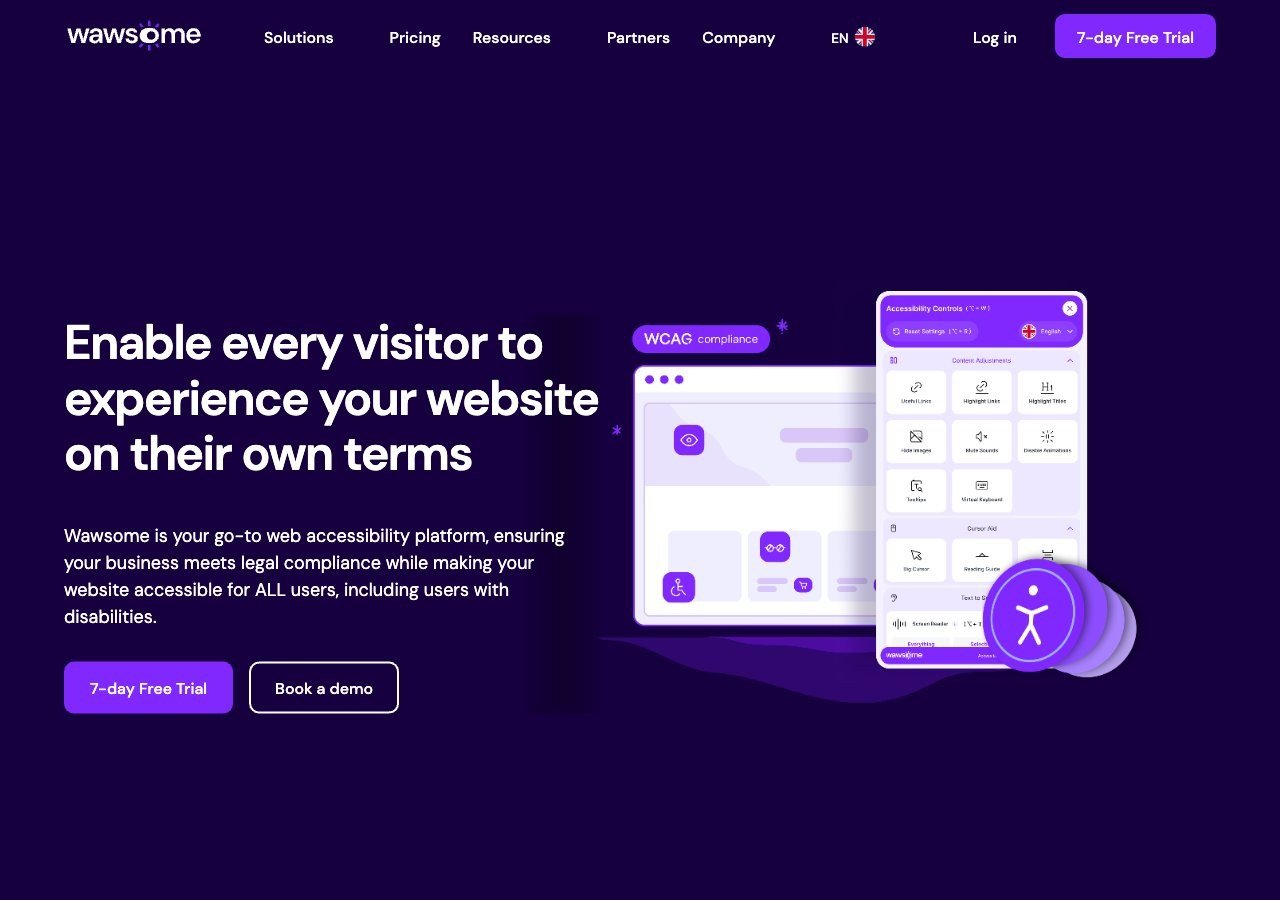
Jego własna dokumentacja wprost deklaruje mapowanie wymogów austriackich, obok siedmiu innych rynków europejskich, a do widżetu dołącza ręcznie weryfikowany moduł kontrolny zamiast oferować samą automatyzację. Warto porównać go bezpośrednio z pozycjonowaniem Eye-Able skoncentrowanym na regionie DACH.
Zobacz zalety i wady
Zalety
- Publishes exact widget and monitoring prices on its site rather than hiding them behind a sales call
- Pairs the widget with a separate continuous-monitoring product and a human-reviewed accessibility checker instead of automation alone
- Explicit EAA and EN 301 549 mapping across multiple EU markets, ahead of most US-headquartered competitors on European regulation
- One-line JavaScript install with native Shopify, WordPress and Google Tag Manager support
Wady
- Requires a separate paid subscription for each subdomain, which can raise the effective cost for sites split across shop./blog./app. style subdomains
- Newer, smaller vendor with little independent review history on sites like G2 or Capterra compared to established competitors
- Like all overlay-widget products, an AI-adjusted layer cannot substitute for full manual code remediation on complex sites
- Enterprise-tier pricing for the widget and monitor is not published and requires contacting sales
Od From EUR 23.75/mo (billed yearly) or EUR 29.90/mo (billed monthly) for the Starter widget plan, up to 100k monthly page views; a separate Accessibility Monitor product starts at EUR 27.90-34.90/mo for 50 pages
-

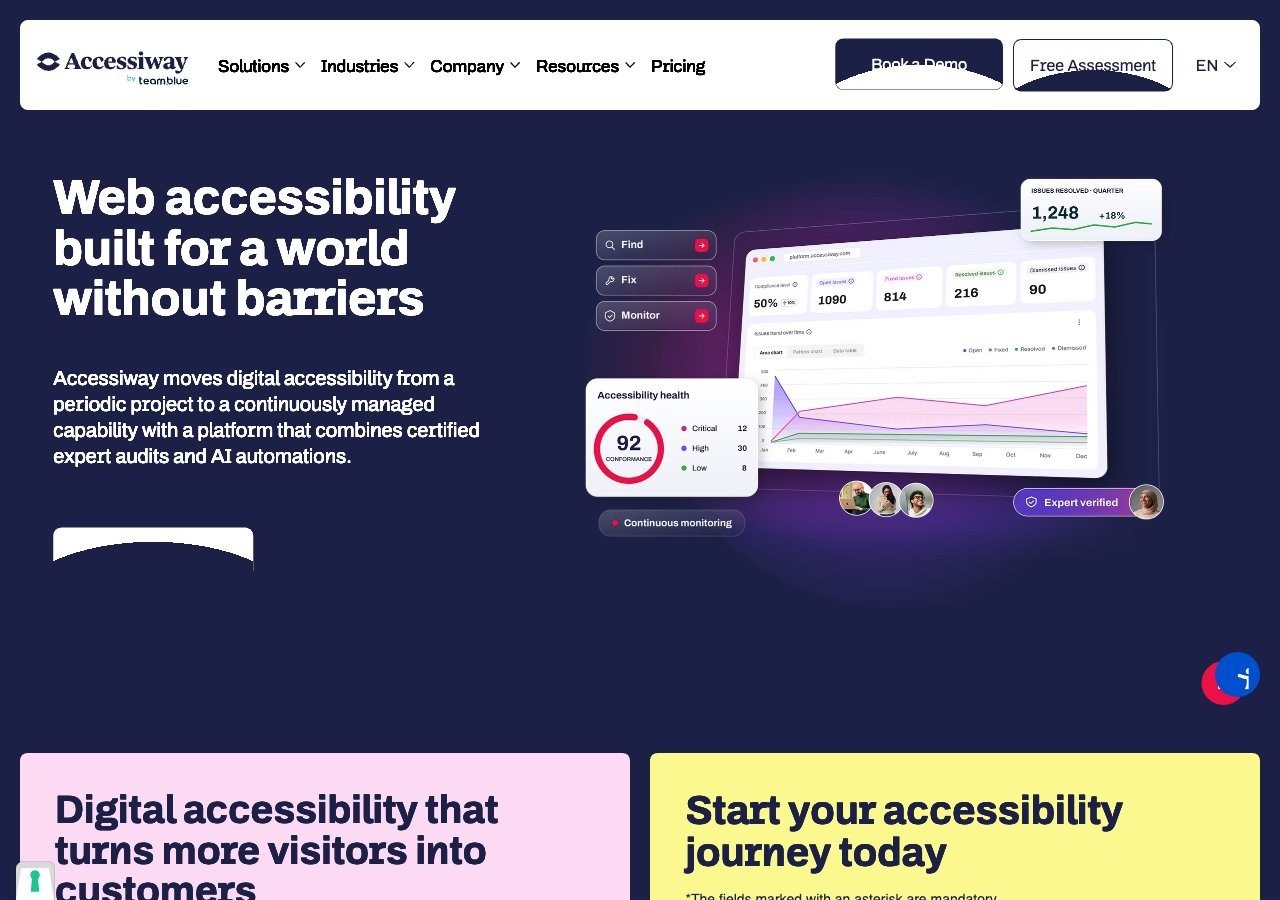
Włoski dostawca, którego prawnicza ekspertyza w dziedzinie dostępności koncentruje się na Stanca Act, ale jego ogólne pokrycie EAA i EN 301 549 oraz podejście oparte przede wszystkim na doradztwie wciąż czynią go rozsądną opcją dla austriackiej organizacji, która chce prowadzonego wdrożenia.
Zobacz zalety i wady
Zalety
- Publishes exact widget pricing by page-volume tier, unlike most audit-and-widget competitors
- Combines the widget with expert manual audits, remediation guidance and litigation support rather than automation alone
- Deep specialization in Italian public-sector law (the Stanca Act) alongside EAA and EN 301 549
- Reviewers on G2 consistently mention responsive, hands-on support during setup
Wady
- Platform (audit/monitoring) tier pricing is not published and requires a custom quote
- Very small public review base (single digits on G2), so independent sentiment is thin compared to larger competitors
- Primarily marketed to the Italian and broader EU market, with less name recognition elsewhere
- As with any overlay widget, automated fixes cannot resolve every structural accessibility issue on complex sites
Od Widget from EUR 490/yr (Standard, up to 1,000 pages), rising to EUR 1,490/yr and EUR 3,490/yr for higher page limits; the Accessiway Platform (audit/monitoring) tiers are quoted individually and not published
-
 Najlepsza wartość
EqualWeb
Szerokie pokrycie EAA, ADA, Section 508 i EN 301 549 w wielu poziomach cenowych, z ręczną poprawą dostępności dostępną jako osobna usługa. Opcja bardziej uniwersalna niż specjalista regionu DACH.
Zobacz zalety i wady
Zalety
- Publishes exact pricing for every self-serve tier, from a $39/mo entry plan up to a 100,000-page Huge tier, unusual transparency for this category
- Wide standards coverage including WCAG 2.1, ADA, Section 508, EN 301 549 and EAA in one product
- Strong independent review record: 4.6/5 average across roughly 43 G2 reviews, with reviewers repeatedly citing responsive human support
- Offers manual remediation and audits as a distinct paid add-on rather than selling automation as a complete fix
Wady
- Multiple G2 reviewers say the entry pricing is still hard for very small organizations to sustain long-term
- Some reviewers describe the management dashboard's UI/UX as dated or hard to navigate
- The Managed tier with expert remediation is quoted individually rather than published
- As with any overlay widget, achieving full legal compliance depends on more than the automated layer, something reviewers explicitly flag
Od From $39/mo ($390/yr) for the Small widget tier, up to 100 pages; Medium is $49/mo, Large $109/mo, Huge $169/mo, with a custom-quoted Managed tier that adds expert remediation
-

Narzędzia zorientowane na programistów, zbudowane na open source'owym silniku axe-core, z udokumentowanym EN 301 549 oraz WCAG od 2.0 do 2.2. Mocne dopasowanie do austriackiego zespołu inżynieryjnego naprawiającego problemy bezpośrednio w kodzie, mniej odpowiednie dla właściciela witryny szukającego szybkiej instalacji.
Zobacz zalety i wady
Zalety
- axe-core, the free open-source engine Deque built and maintains, has been downloaded billions of times and underpins many competitors' own scanners
- Broadest standards coverage of any tool reviewed here: WCAG 2.0 through 2.2, Section 508 and EN 301 549, plus deep involvement in W3C standards work
- Reviewers report a very low false-positive rate compared to other automated scanners
- CI/CD and IDE integrations let engineering teams catch issues before code ships, rather than only after launch
Wady
- No consumer-facing overlay widget, so it doesn't offer the quick, no-developer-needed fix that widget vendors sell
- Pro and Enterprise pricing is not published; reported per-developer seat costs (roughly $1,250/yr for Pro, per third-party trackers) can add up for larger teams
- axe Monitor and axe Auditor are sold as separate line items on top of DevTools, adding cost and complexity
- Automated testing (including axe-core) only catches a minority of WCAG issues by design; full coverage still requires the paid manual-audit services
Od axe-core: free (open source). axe DevTools Extension: free tier available, with a Pro seat reported by third-party pricing trackers at roughly $1,250/yr per developer. axe Monitor and full axe DevTools for Web/Enterprise pricing is not published - contact sales
Co sprawdzić przed podjęciem decyzji
Badanie WebAIM Million z 2026 roku wykazało zbyt niski kontrast tekstu na 83,9% stron głównych, najczęstszy wykrywalny problem, który większość powyższych widżetów wykrywa automatycznie. To rozsądne minimum, jakiego można oczekiwać od każdego z tych narzędzi. Trudniejsze pytanie brzmi, czy deklaracja dostawcy dotycząca Austrii lub regionu DACH odzwierciedla rzeczywistą lokalną specjalizację, czy jest ujęta w szerszym, ogólnounijnym haśle, o co warto zapytać wprost podczas rozmowy sprzedażowej.
Co dalej
Nasz przewodnik po EN 301 549 wyjaśnia standard techniczny wspólny dla całego regionu DACH, a nasz przewodnik po terminie zgodności z EAA omawia harmonogram egzekwowania, który obowiązuje też w Austrii.